No products in the cart.
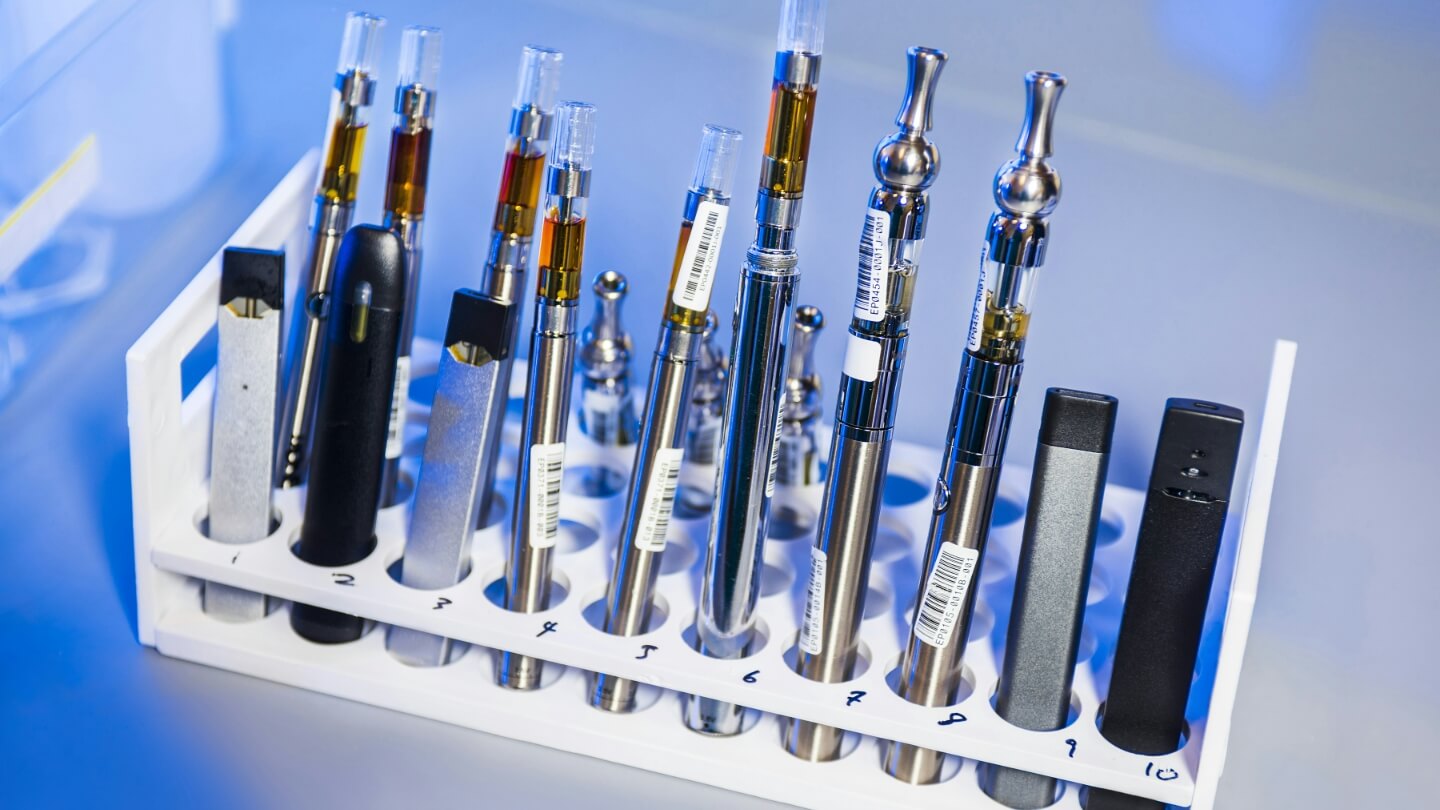
The Evolution of Vaping: From Early Concepts to Modern E-Cigarettes
Explore the fascinating history of vaping and e-cigarettes. Discover key pioneers like Hon Lik and trace how early ideas evolved into today’s popular vaping devices.

The concept behind vaping, or using electronic cigarettes, has been around longer than many realize. While commercial vape products have existed for roughly 14 years, the idea of an electric vaporizer has intrigued inventors for decades.
The first documented concept dates back to 1927 when Joseph Robinson envisioned a vaporizer featuring a heating coil wound around an asbestos core. Although Robinson secured a patent, his device was never manufactured.
The next significant step came in 1963 from Herbert A. Gilbert. He designed and patented a battery-powered device explicitly intended as a ‘smokeless, non-tobacco cigarette’ alternative to smoking. Despite presenting his invention to numerous companies, it, too, never reached mass production.
The breakthrough for the modern vaping era came in 2003. Chinese pharmacist Hon Lik successfully patented an electronic cigarette. Hon Lik experimented with various vaporization methods before settling on a high-frequency, piezoelectric ultrasound element to vaporize a pressurized jet of nicotine-containing liquid. His design was mass-produced in China starting in 2004.
Since Hon Lik’s pivotal invention, the vaping industry has experienced continuous waves of innovation. While today’s vaping devices primarily use battery-powered heating elements to vaporize e-liquid and look vastly different from their 2004 predecessors, the foundation laid by these early pioneers – Robinson, Gilbert, and especially Hon Lik – was crucial. Their vision and persistence helped shape the thriving vape industry we see today.
This historical overview demonstrates how persistent ingenuity transformed the early dream of smokeless inhalation into the diverse world of modern vaping.
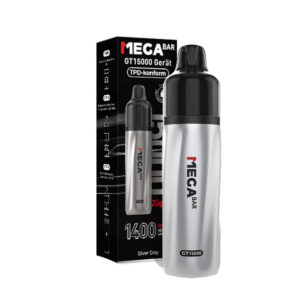
MEGABAR GT15000 Vape Kit – Silver Gray
Original price was: €22,90.€19,90Current price is: €19,90.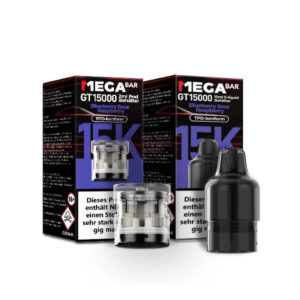
MEGABAR GT15000 Prefilled Pod – Blueberry Sour Raspberry
Original price was: €17,90.€15,90Current price is: €15,90.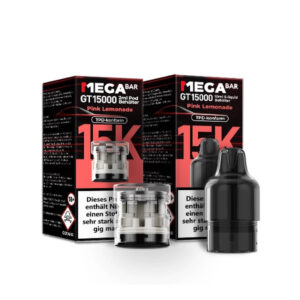
MEGABAR GT15000 Prefilled Pod – Pink Lemonade
Original price was: €17,90.€15,90Current price is: €15,90.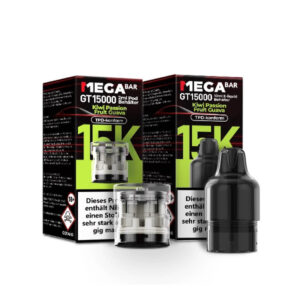
MEGABAR GT15000 Prefilled Pod – Kiwi Passion Fruit Guava
Original price was: €17,90.€15,90Current price is: €15,90.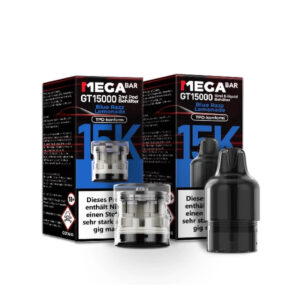
MEGABAR GT15000 Prefilled Pod – Blue Razz Lemonade
Original price was: €17,90.€15,90Current price is: €15,90.